Can you really build muscle without meat?
That question still pops up in gyms, comment sections, and family dinners.
The short answer: yes absolutely.
With the right approach, plant based protein sources for muscle building can support muscle growth, strength, and recovery just as effectively as animal protein. In fact, many athletes report better digestion, faster recovery, and improved energy once they switch to plant protein.
This guide breaks down:
- The science behind muscle growth on plant-based diets
- The best high protein vegan foods
- Practical meal ideas and expert tips you can actually follow
No fluff. No myths. Just real-world nutrition that works.
Read other blog about : vitamin d rich foods vegetarian india
Can You Build Muscle on a Plant-Based Diet?
Yes and science backs it up.
Muscle growth depends on three fundamentals, not on meat specifically:
- Total protein intake
- Essential amino acids (especially leucine)
- Progressive resistance training + enough calories
Studies comparing plant protein to animal protein show no significant difference in muscle gain when total protein and training volume are matched. The body doesn’t recognize chicken or lentils-it recognizes amino acids.
The key is planning, not restriction.
How Much Protein Do You Need for Muscle Building?
For muscle hypertrophy, research consistently points to:
1.6–2.2 grams of protein per kg of bodyweight per day
Protein Needs by Experience Level
- Beginners: ~1.6 g/kg
- Intermediate lifters: ~1.8–2.0 g/kg
- Advanced lifters: up to 2.2 g/kg
Vegans vs Vegetarians
- Vegans may benefit from the higher end of the range due to slightly lower digestibility of some plant proteins.
- Variety easily solves this issue.
Example: A 70 kg (154 lb) lifter needs roughly 112–154 g of protein daily.
Best Plant Based Protein Sources for Muscle Building
This is where most people underestimate plants.
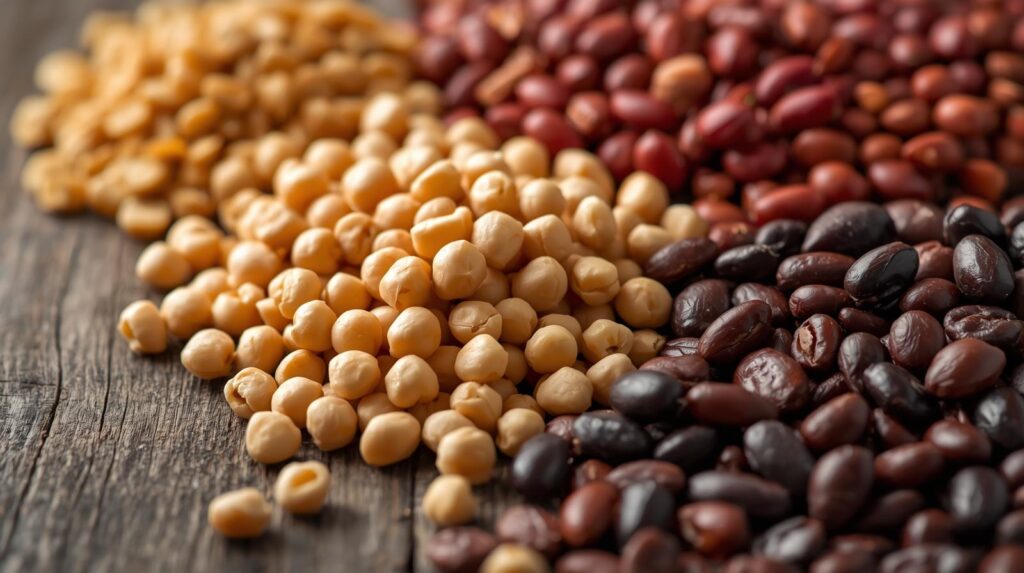
1. Legumes
Legumes are a cornerstone of plant protein for bodybuilding.
- Lentils: ~18g protein per cooked cup
- Chickpeas: ~15g per cup
- Black beans: ~15g per cup
Best uses:
Post-workout bowls, curries, soups, wraps, and salads.
They’re also rich in fiber, iron, and slow-digesting carbs—perfect for recovery.
2. Soy-Based Proteins
Soy deserves more respect in fitness nutrition.
- Tofu: ~20g protein per cup
- Tempeh: ~31g per cup
- Edamame: ~17g per cup
Why soy works so well:
- Complete amino acid profile
- High in leucine, the key trigger for muscle protein synthesis
- Well-researched for muscle hypertrophy
If you’re serious about muscle gain, soy should be in rotation.
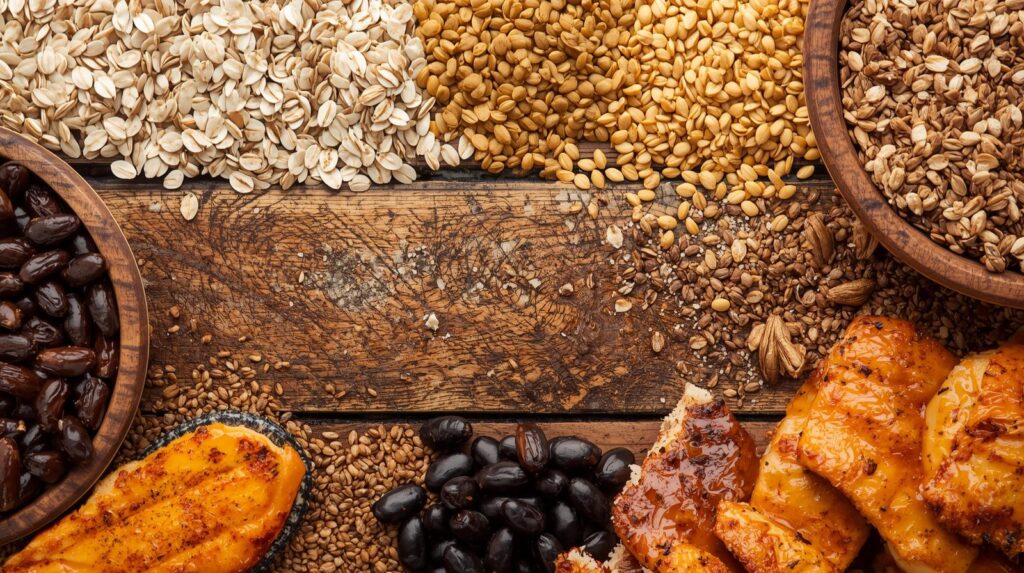
3. Whole Grains with Protein Power
Grains aren’t just carbs—they contribute meaningful protein too.
- Quinoa: ~8g per cup (complete protein)
- Oats: ~10g per cup
- Brown rice: ~5g per cup
- Combine grains with legumes (rice + beans) to create a full amino acid profile
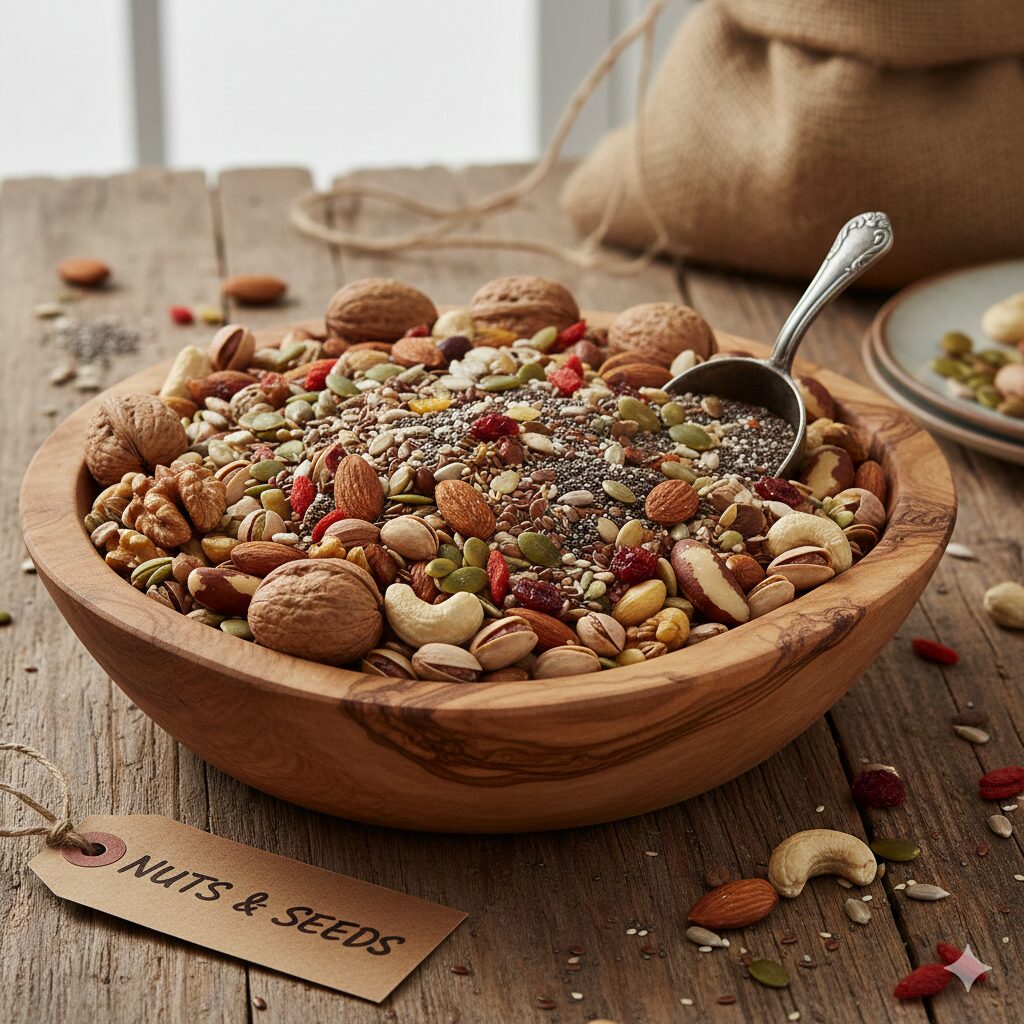
4. Nuts and Seeds for Muscle Support
These won’t replace main protein sources, but they boost totals fast.
- Hemp seeds: ~10g protein per 3 tbsp (complete protein)
- Pumpkin seeds: ~9g per ounce
- Chia seeds: ~5g per 2 tbsp
- Almonds: ~6g per ounce
Best for snacks, smoothies, and calorie-dense meals—especially useful during bulking phases.
Plant-Based Protein Powders
Whole foods come first—but supplements are practical.
Top options:
- Pea protein (great digestibility)
- Brown rice protein
- Soy protein isolate
- Blended plant proteins (pea + rice + hemp)
Use protein powders when:
- You’re short on time
- Post-workout convenience matters
- Hitting high protein targets feels difficult
Complete vs Incomplete Proteins: What Matters for Muscle?
This topic causes unnecessary fear.
Complete proteins contain all nine essential amino acids.
Incomplete proteins are simply lower in one or more—not useless.
Your body maintains an amino acid pool throughout the day. You don’t need perfect combinations at every meal.
Easy Food Combining Examples
- Rice + beans
- Hummus + whole-grain bread
- Oats + soy milk + seeds
Consistency beats perfection—every time.
Sample Plant-Based High-Protein Meal Plan (Muscle Building)
Here’s what a realistic high-protein vegan day can look like:
Breakfast (~30g protein)
- Oats with soy milk, chia seeds, and peanut butter
Lunch (~40g protein)
- Quinoa + lentil bowl with tofu and veggies
Snack (~20g protein)
- Roasted chickpeas + almonds
Dinner (~45g protein)
- Tempeh stir-fry with brown rice and vegetables
Post-Workout Shake (~25g protein)
- Plant protein powder + banana + oat milk
Total: ~160g protein
Tips to Maximize Muscle Growth on a Plant-Based Diet
- Eat enough calories
- Spread protein across meals
- Train with progressive overload
- Don’t fear carbs they fuel workouts
- Track intake until habits are solid
- Stay consistent longer than you think you need to
Muscle growth is boringly predictable when fundamentals are met.
Common Mistakes to Avoid
- Underestimating protein intake
- Living on salads instead of meals
- Ignoring strength training
- Avoiding calorie-dense foods
- Not tracking macros early on
Conclusion
Building muscle on plants isn’t a compromise- it’s a strategy.
With the right plant based protein sources for muscle building, adequate calories, and smart training, strength and size are fully achievable. Focus on variety, consistency, and progressive overload, and the results will follow.
If you found this guide helpful, consider saving it, sharing it with a training partner, or exploring more evidence-based nutrition content to keep your gains moving forward.
Frequently Asked Question
Is plant protein as effective as animal protein for muscle building?
Yes. When total protein and training are matched, muscle gains are comparable.
What is the best vegan protein for muscle gain?
Soy, lentils, tempeh, tofu, and blended plant protein powders.
Can beginners build muscle with plant-based protein?
Absolutely. Beginners often see faster gains regardless of protein source.
Do vegans need protein supplements?
Not always—but they’re helpful for convenience and consistency.