
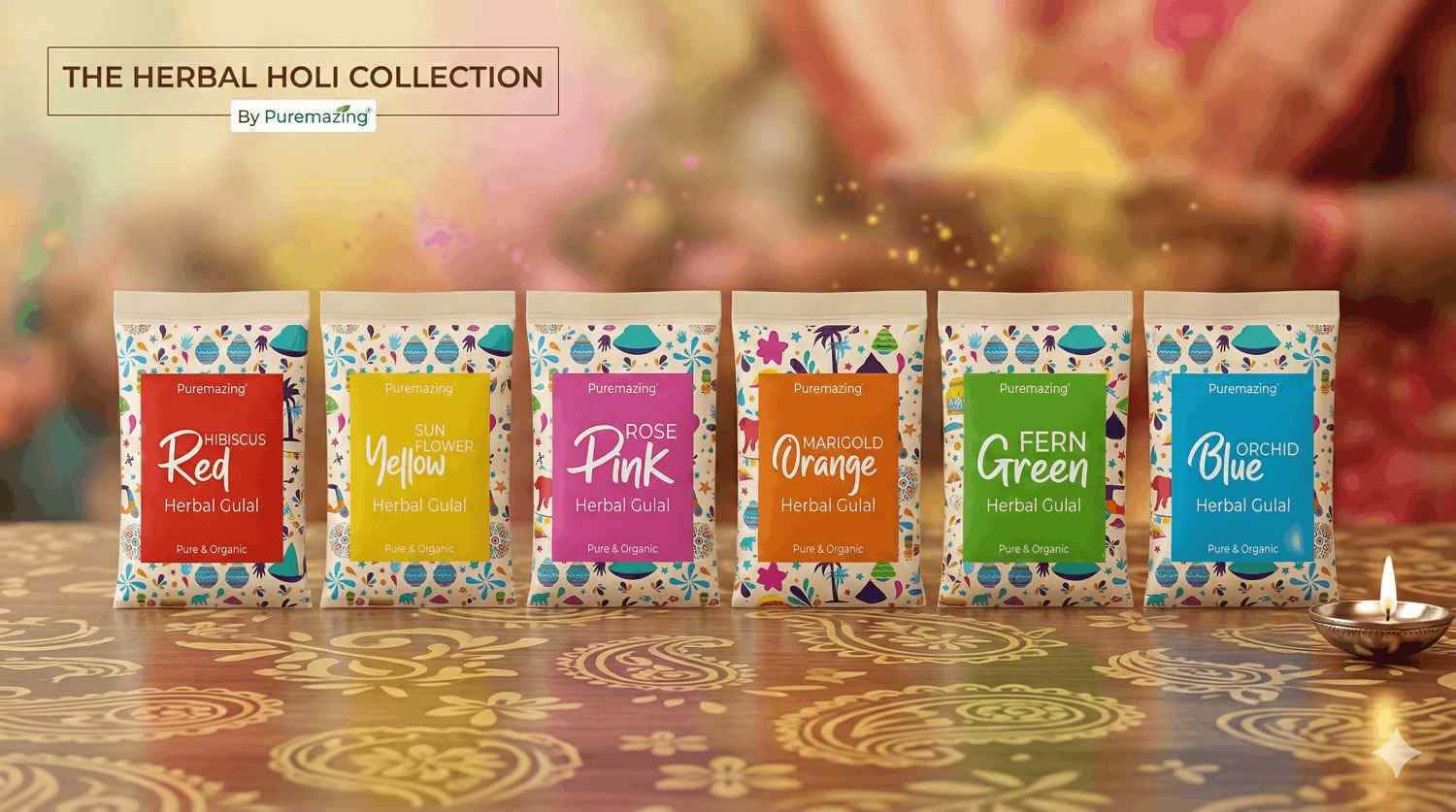
Why should you choose DIY natural Holi colors this year?
Making your own colours ensures your skin stays safe from toxic heavy metals like lead and mercury found in cheap powders. You can create vibrant hues using common kitchen ingredients like turmeric, beetroot, and corn starch. It is cheaper, safer for children, and takes less than five minutes of active prep time.
Buy Now: https://amzn.to/3ZYHb4P
Is your store-bought Gulal actually hiding toxic chemicals?
Most commercial powders contain glass particles, malachite green, and synthetic dyes. A 2025 study by the Global Health & Environment Institute found that 40% of herbal labeled powders still contained respiratory irritants. Making colours at home is the only way to guarantee a 100% chemical-free celebration for your family.
How to make natural Holi colours at home using corn starch?
The best base for dry Gulal is cornstarch or rice flour because they are silky and skin-friendly. Simply mix your dry base with a natural pigment like turmeric or food-grade powders. For a smoother texture, sift the mixture twice. This creates a professional-grade powder that washes off easily without staining.
What are the best ingredients for specific colors?
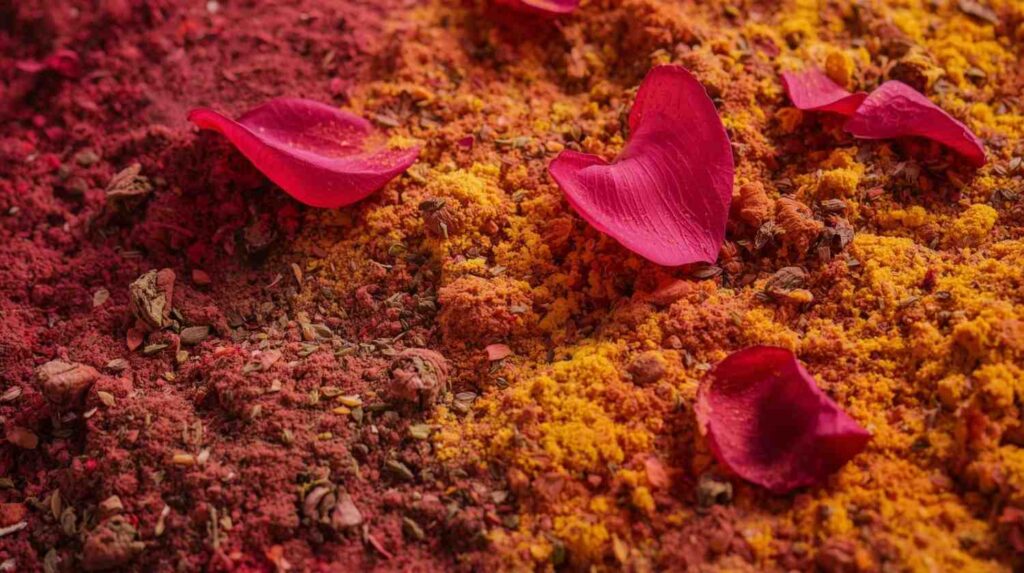
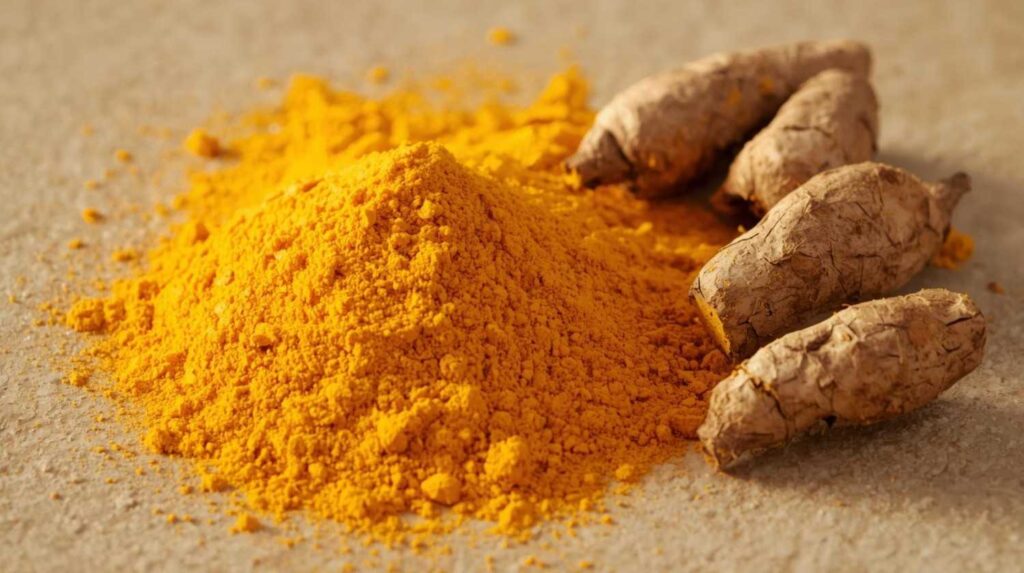
You can find everything you need in your pantry or garden. For yellow, use turmeric; for pink, use dried beetroot powder; and for green, use henna or crushed spinach leaves. These ingredients provide rich, earthy tones that smell wonderful. Unlike synthetic dyes, these natural options actually nourish your skin while you play.
| Color | Natural Source | Preparation Method |
| Yellow | Turmeric (Haldi) | Mix 2 parts turmeric with 4 parts cornstarch. |
| Pink/Red | Beetroot | Grate beetroot, soak in water, or use dried powder. |
| Green | Henna / Spinach | Dry henna powder mixed with flour or sun-dried spinach. |
| Blue | Butterfly Pea Flower | Dry the petals and grind into a fine powder. |
Can you make liquid Holi colors without synthetic dyes?
Yes, liquid colours are even easier to prepare than powders. Boil peels of pomegranate or slices of beetroot in water and let them sit overnight for a deep, concentrated stain. This method creates bold, beautiful liquids that are biodegradable. It is perfect for water guns and pichkaris without clogging the nozzles.
What is the Gray Water impact of your Holi celebration?
Most guides forget that Holi water ends up in our sewers and local ponds. Synthetic colors kill helpful bacteria in water treatment plants. According to the Central Pollution Control Board (CPCB) guidelines updated for 2026, using organic matter ensures that the runoff water remains pH-neutral. This protects our local fish and urban wildlife.
How do you get the perfect scent for your homemade Gulal?
Natural colours sometimes smell like the kitchen, so adding a few drops of essential oil is key. Sandalwood, rose, or lemon oil adds a refreshing fragrance to your corn starch base. Mix the oil into the flour before adding the colour. This creates a multi-sensory experience that store-bought packets simply cannot match.
How do you store your DIY colours to keep them fresh?
Since these are food-based, they can attract moisture if left out. Store your finished powders in airtight glass jars or recycled paper bags in a cool, dry place. If you make them a few days early, add a small silica gel packet to the jar. This keeps the powder fluffy and prevents clumping.
Expert Tips for a Greener Holi
As someone who has spent years studying sustainable chemistry, I have seen how much damage a single afternoon of chemical play can do to the skin and the earth. My advice? Start small. You don’t need to make ten colours. Focus on three vibrant shades that you know are safe.
Here is your quick shopping list for DIY colors:
- Base: 1kg Cornstarch or Rice Flour (Arrowroot works too!).
- Yellow: 100g Organic Turmeric powder.
- Pink: 2 Large Beetroots (for juice or drying).
- Green: 100g Henna powder (ensure it is pure, without hair dye chemicals).
- Fragrance: Rose water or Sandalwood essential oil.
Is the cleanup easier with natural colors?
Natural pigments don’t bind to the skin’s proteins the way synthetic Azo dyes do. Most homemade powders will fall off with a simple rinse of plain water. For any stubborn yellow tints from turmeric, a little coconut oil or curd rubbed on the skin before washing acts like a magic eraser.
Why does the purity of your base matter?
Using high-quality cornstarch ensures the powder doesn’t feel gritty. If you have sensitive skin, rice flour is a great alternative because it is slightly more exfoliating. Avoid using talcum powder as a base, as many brands still face safety concerns regarding asbestos contamination. Stick to edible bases for the safest experience.