
By the time you hit your early 30s, your body is often at its peak performance. However, internally, a subtle shift begins.
You might notice your periods getting slightly shorter, your sleep becoming less restful, or a new, uninvited PMS rage appearing a week before your cycle.
Often, these aren’t just signs of getting older; they are the first whispers of declining progesterone. Progesterone is your body’s “chill” hormone. It balances the effects of estrogen, supports a healthy pregnancy, and acts as a natural anti-anxiety agent.
If you are looking for natural ways to boost progesterone in your 30s, it isn’t about finding a “magic pill.” It’s about removing the biological roadblocks that prevent your body from making it.
Why Progesterone Dips in Your 30s
In your 30s, particularly after age 35, you may experience anovulatory cycles months where you don’t release an egg. Since the corpus luteum (the shell left behind after ovulation) is the primary factory for progesterone, no egg means no factory.
Additionally, the stress of the 30s juggling careers, young children, and aging parents creates a high demand for cortisol. Because progesterone and cortisol share the same building blocks, your body will steal resources to make stress hormones, leaving your reproductive system in the lurch.
1. Feed Your Hormone Factory with Targeted Nutrients
You cannot eat progesterone, but you can eat the raw materials your ovaries need to manufacture it.
Prioritize Vitamin B6
Research has shown that Vitamin B6 helps the liver break down estrogen. When estrogen is too high, it makes progesterone look low by comparison.
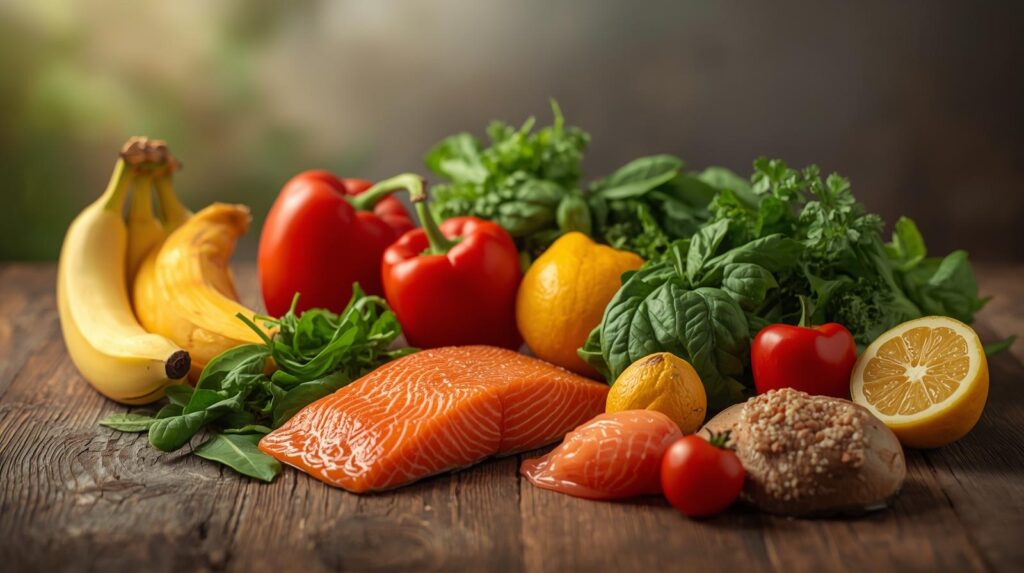
- Actionable Step: Incorporate chickpeas, wild-caught salmon, and bananas into your weekly rotation.
Don’t Fear Healthy Fats
Every hormone in your body is made from cholesterol. If you are on a “low-fat” diet, you are starving your hormone production.
- The Trend: The shift back to “ancestral eating” emphasizes healthy fats like grass-fed butter, avocados, and extra virgin olive oil to support the endocrine system.
Magnesium and Zinc
Zinc stimulates the pituitary gland to release follicle-stimulating hormone (FSH), which triggers ovulation. Magnesium, on the other hand, calms the nervous system to prevent stress-related hormone drops.
- Pro-Tip: A square of 70%+ dark chocolate and a handful of pumpkin seeds is a perfect progesterone-boosting snack.
2. Stop the Cortisol Steal
One of the most significant mistakes women in their 30s make is trying to “workout” their way out of hormonal issues. High-intensity interval training (HIIT) or long-distance running can actually spike cortisol so high that it shuts down progesterone production.
Switch to Cycle Syncing Exercise
In the second half of your cycle (the luteal phase), your body is naturally more prone to stress.
- Days 1–14: Moderate weights, jogging, or swimming.
- Days 15–28: Yoga, Pilates, or long walks in nature.
- Why? This keeps cortisol low, allowing your body to focus its energy on maintaining the corpus luteum.
3. Support the Estrobolome (Gut Health)
You might have enough progesterone, but if your gut isn’t clearing out old estrogen, you will feel the symptoms of estrogen dominance. The estrobolome is a collection of bacteria in your gut responsible for metabolizing estrogen.
- The Fix: Increase fiber to at least 25g a day. Think of fiber as a “broom” that sweeps excess estrogen out of your digestive tract.
- Cruciferous Power: Broccoli, cauliflower, and Brussels sprouts contain a compound called DIM (Diindolylmethane), which helps the liver process estrogen safely.
4. Manage Environmental Xenoestrogens
In our 30s, the cumulative exposure to plastics and chemicals starts to take a toll. Xenoestrogens are hormone mimics found in plastics (BPA), receipts, and conventional beauty products.
They lock into your estrogen receptors and trick your body into thinking it has too much estrogen, which suppresses progesterone.
- Real-World Scenario: Swapping your plastic Tupperware for glass and choosing paraben-free skincare isn’t just a lifestyle trend it’s a clinical strategy to reduce the toxic load on your endocrine system.
5. Herbal Allies: The Role of Vitex
While food is the foundation, certain herbs can “nudge” the brain to communicate better with the ovaries. Vitex (Chasteberry) is the most well-researched herb for this.
It doesn’t contain hormones; instead, it encourages the pituitary gland to produce more Luteinizing Hormone (LH), which promotes ovulation and subsequent progesterone production.
Note: Vitex can take 60–90 days to show results. Hormonal health is a marathon, not a sprint.
Common Mistakes to Avoid
- Relying on Wild Yam Creams: Most over-the-counter wild yam creams do not contain actual progesterone. While the plant contains diosgenin, the human body lacks the enzymes to convert it into usable progesterone.
- Ignoring the Thyroid: Low thyroid function and low progesterone often go hand-in-hand. If you are constantly cold and losing hair, get a full thyroid panel alongside your hormone tests.
Summary Checklist for Your 30s
| Strategy | Why it Works |
| 8 Hours of Sleep | Melatonin supports the health of the egg follicle. |
| Fiber (25g/day) | Clears excess estrogen to balance the ratio. |
| Alcohol Reduction | Alcohol hinders the liver’s ability to process hormones. |
| Stress Rituals | Lowers cortisol to prevent the “Progesterone Steal.” |
Next Steps for You
If you suspect your levels are low, the best time to test is on Day 21 of a 28-day cycle (or 7 days after ovulation). Would you like me to help you draft a list of specific lab tests to request from your doctor to get a clear picture of your hormonal health?