
Introduction
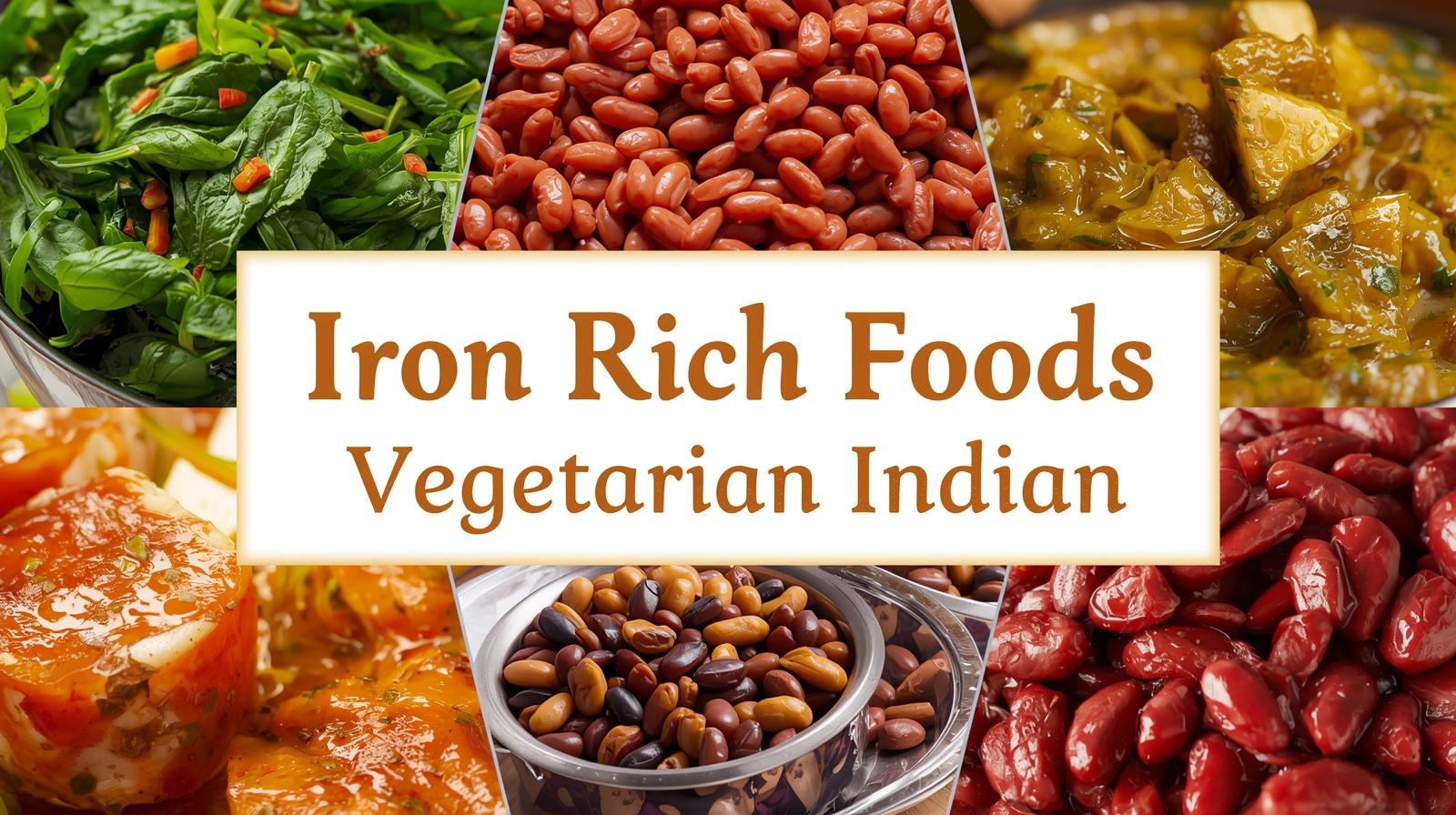
Iron rich foods vegetarian Indian diets offer a powerful and natural way to maintain healthy haemoglobin levels and support overall well-being.
In a country where plant-based eating is widely practiced, understanding the best sources of iron becomes essential for preventing fatigue, weakness, and anaemia.
India’s traditional meals are packed with ingredients that not only supply iron but also combine well with vitamin-C-rich foods, helping the body absorb this vital mineral more effectively.
In this guide on the Top 10 Iron-Rich Vegetarian Foods in India, you’ll discover everyday ingredients like spinach, lentils, jaggery, and millets that can play a big role in boosting haemoglobin naturally.
These foods are affordable, easily available, and seamlessly fit into Indian cooking styles—from dals and sabzis to snacks and rotis.
Including these nutrient-dense options in your daily meals can significantly improve your energy levels and long-term health.
If you want to read other blog about high calorie breakfast foods for weight gain
Iron Rich Vegetarian Indian Foods to Boost Your Health
Exploring Indian food shows you that there are many vegetarian sources of iron. You do not need to rely only on animal sources to reach your dietary iron goals.
A vegetarian diet that is planned well can give you the iron you need to feel good and have energy. Use different plant sources in your meals to help your iron intake and feel your best every day.
Let’s look at ten great vegetarian Indian foods that have a lot of iron. These foods are good for you and can be used in many ways. You can add them to your daily meals without any trouble.
1. Spinach (Palak)
Spinach, also called palak, is known as a great source of iron among plant foods. This leafy green does more than just give you mg of iron.
It is also full of other nutrients that the body needs, like Vitamin A and folate. When you eat one cup of cooked spinach, you get 5.7 mg of iron, which is a big help for your daily iron needs.
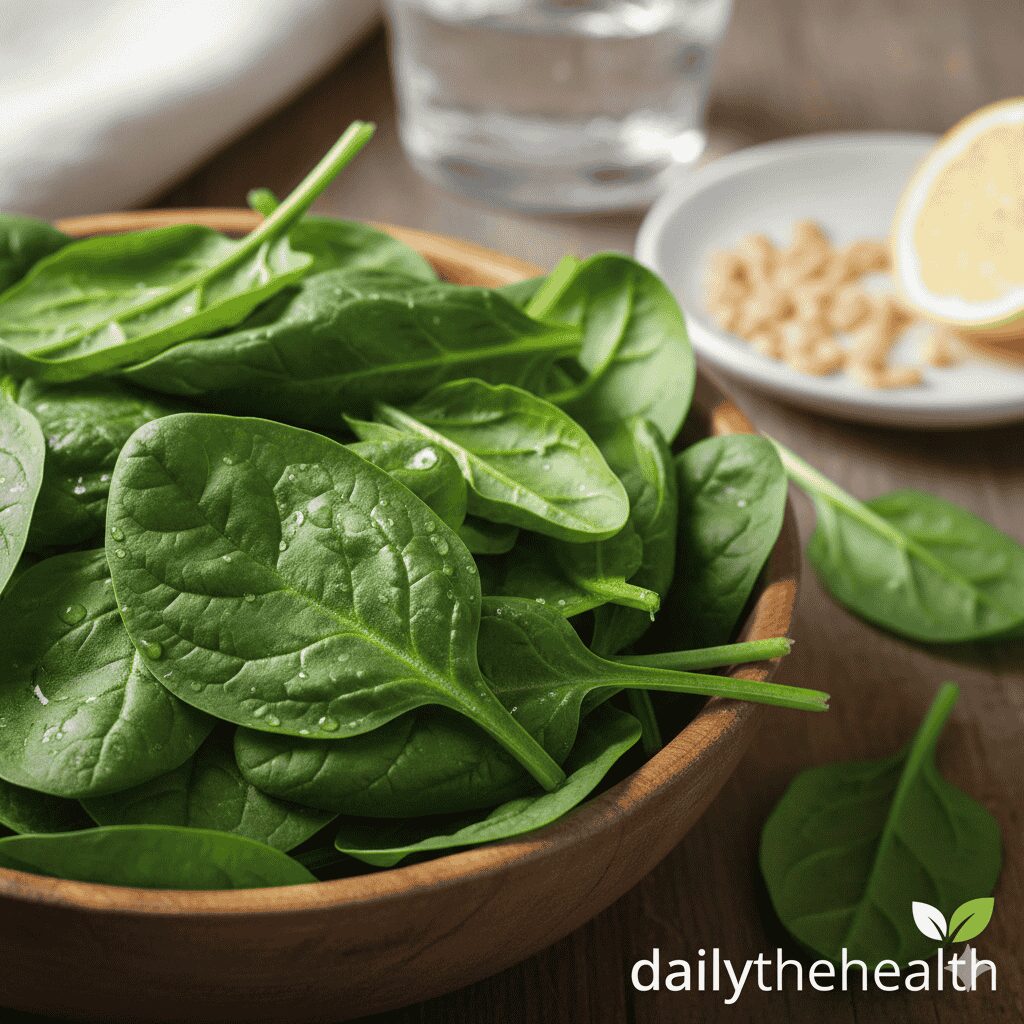
However, the amount of iron that your body gets from plants is often not as high compared to what you get from animal foods. The body’s ability to take up this non-heme iron can be better when you eat spinach with foods that are full of vitamin C. A good way to do this is:
- Squeezing some lemon juice on your palak dal or on your sabzi can help a lot.
- Putting tomatoes in your spinach curry is also a good idea.
- Blending spinach with citrus fruits into a smoothie is another great way.
It is easy to add spinach to your diet. You can eat it in well-known meals like palak paneer. You may also blend spinach into soups or use it as a fresh base for salads. This is a great way to boost the iron content in your food.
2. Lentils (Dal Varieties)
Lentils are a big part of the Indian diet, and there is a good reason for that. All dal varieties like masoor, moong, and chana dal are great plant foods that have a lot of iron.
One cup of cooked lentils gives about 6.6 mg of iron, so you can meet your daily iron needs with them. This is why they are important for anyone who is on a vegetarian diet.
Lentils have plenty of protein and fiber. These help your muscles heal and give you energy all day. The protein and fiber in lentils make them important for making strong red blood cells.
The red blood cells take oxygen to all parts of your body and stop you from getting tired. Do you want to find out how to add more lentils to your food?
- Make a basic dal tadka for your lunch or dinner.
- Put cooked lentils in soups and stews. This makes them feel more thick and gives them more nutrition.
- You can sprout them and use in salads. This will give your salad a bit of crunch and more iron.
Soaking lentils before you cook them can help your body take in more nutrients. This step makes lentils an even better choice if you want to raise your iron levels.
Read other blog about : makhana benefits for male
3. Chickpeas (Chana)
Chickpeas, or chana, are a good source of iron in the vegetarian Indian kitchen. You can use these in many recipes and they taste good too.
There is about 4.7 mg of iron in one cup of cooked chickpeas. This plant source can help keep your iron levels good. Chickpeas can also help support your immune system.
They have a lot of protein and fiber. This makes them a good and filling food to add to any meal. This mix helps keep your energy levels steady. It also helps you feel full for a longer time. You can get many health benefits from chickpeas in different ways.
- Cook a tasty chana masala curry that everyone in the family can enjoy.
- Blend them to make a creamy hummus dip for your snacks.
- Roast them with your favorite spices for a crunchy and healthy treat.
To help your body take in more iron from chickpeas, try eating them with foods that have vitamin C. A little lemon juice on top of your chana can help boost iron absorption and make the dish even better.
4. Moringa Leaves (Drumstick Leaves/Sahjan Ke Patte)
Moringa leaves are known to be a great source of iron. This is an essential nutrient that helps your body make healthy red blood cells.
Having enough iron is important to prevent iron deficiency and iron deficiency anemia. When you add moringa to your meals, you can boost your iron intake in a natural way. It is also a good way to help your body keep its healthy red blood cells.
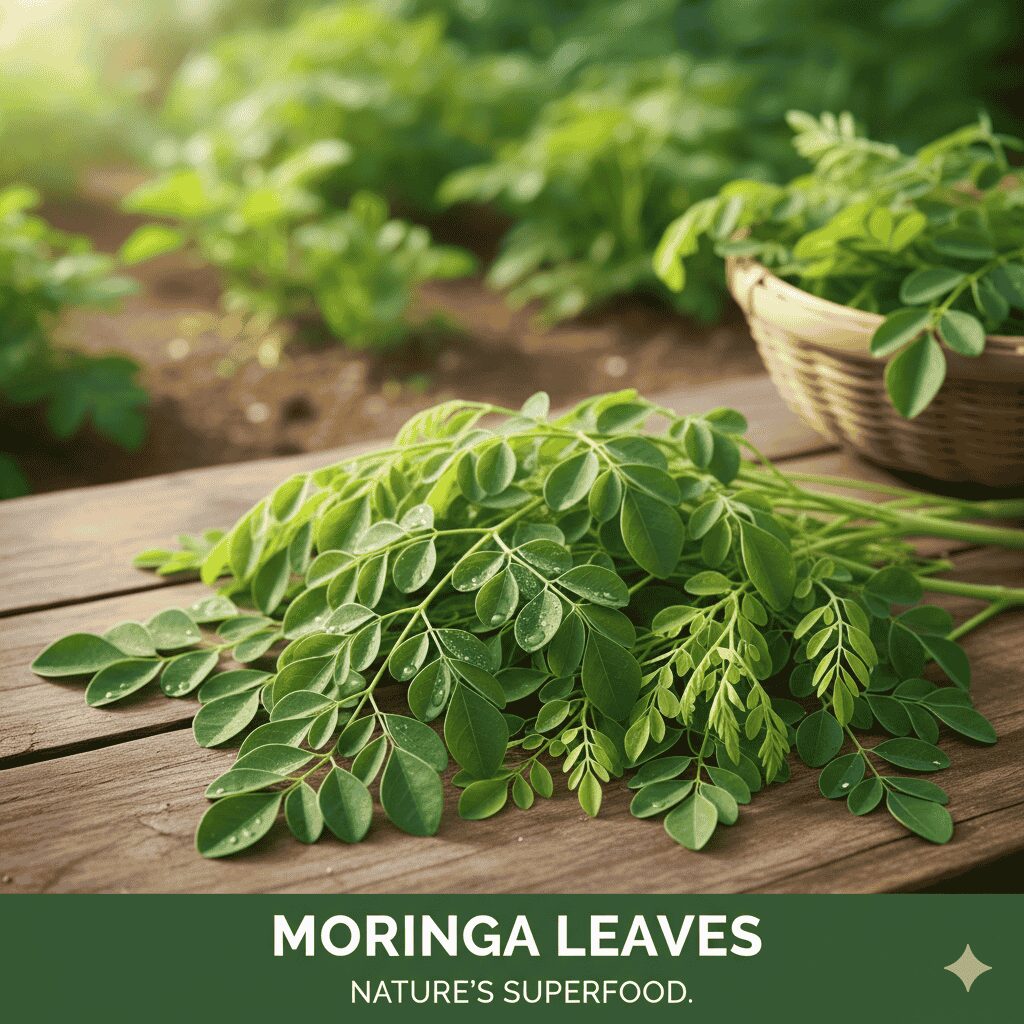
Moringa is full of many other good things your body needs, like calcium, potassium, and antioxidants. These help support your overall health and keep your body’s defenses strong. Want to know how you can add this powerful green to your daily meals? It is simple and does not take much time.
- Stir moringa leaf powder into your dal, soups, or curries.
- Blend fresh or powdered leaves into your morning smoothie.
Eating moringa often can help you feel more energy. It can also make your bones stronger. Moringa helps your body fight off things that can make you sick. This makes it a good thing to add to your diet if you want better energy levels and health.
5. Jaggery (Gur)
Jaggery, also called gur, is a type of sugar that people in India have used for many years. This sugar is not refined, so it keeps the molasses in it.
The molasses gives jaggery a good amount of iron, which makes it a great source of iron for people. Eating jaggery is an easy and tasty way to bring up your iron levels. It can also help fight iron deficiency.
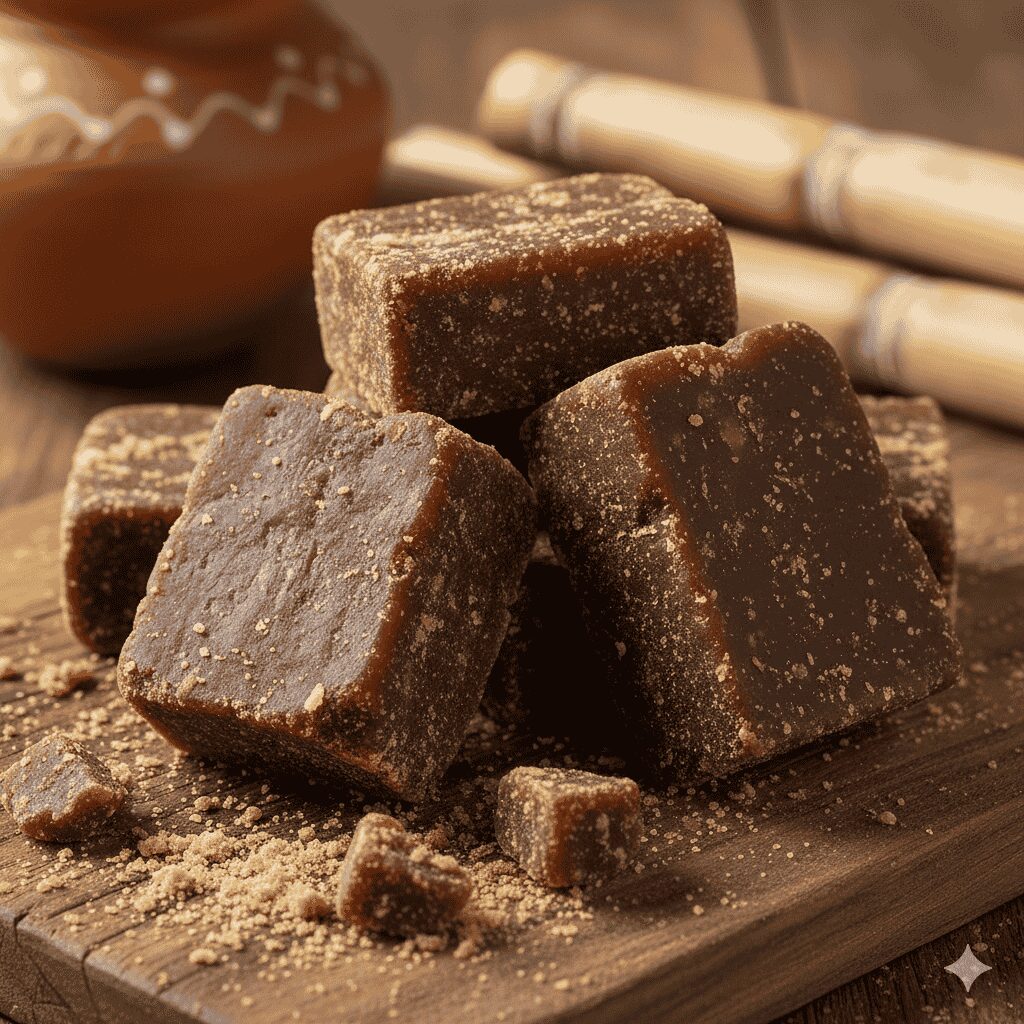
This natural sweetener gives you a quick boost of energy. That makes it a better choice if you want something sweet. A lot of people like to have a small piece of jaggery after they eat. It can help with digestion and also give you a bit of iron. Here are some ways to use it:
- Swap white sugar for jaggery in your tea, coffee, or when you make desserts.
- Try using it when you make classic sweets like chikki or laddoos.
Adding jaggery to your diet can help the body get back its iron. It can also boost your energy levels. This is a good and sweet way to stay healthy.
6. Black Sesame Seeds (Til)
Do not take the power of tiny seeds lightly! Black sesame seeds (til) have a big amount of iron, so they are a great thing to add to your food.
These seeds do not just give you iron. They also offer calcium, magnesium, and healthy fats. All of this helps you have a balanced diet and keeps your body healthy.
Just one tablespoon of sesame seeds can help boost your iron intake by a lot. They have a nutty taste and a nice crunch. You can add them to many foods with ease. Here are a few simple ideas:
- Sprinkle them on top of salads. You can add them to stir-fries or mix with yogurt, too.
- Use them if you want to make Indian treats like til laddoos or chikkis.
- Blend them into tahini. This will help you get good dips and dressings.
Adding black sesame seeds to what you eat can help you bring up your iron levels. They also be good for your heart health, skin, and hair. You can just use them in your food because it is easy and quick.
###
7. Amaranth (Rajgira)
Amaranth, or rajgira, is a gluten-free seed that looks like a grain. It is one of the whole grains that can be a big part of your iron-rich balanced diet.
A cup of cooked amaranth has about 5.2 mg of iron in it. Eating amaranth helps to boost your immune system. It can also help you keep your energy up too. This is a good food to add to your balanced diet if you want to get the right amount of iron.
Amaranth is not just high in iron. It also has all nine things your body needs which make up a complete protein. There is a lot of fiber, magnesium, and calcium in it as well.
Because of this, amaranth is good for vegetarians and for people who want to eat better. How can you use amaranth in your meals every day?
- You can use amaranth flour for making rotis or porridge that is good for you.
- Try putting popped amaranth into your breakfast cereal, yogurt, or energy bars you make at home.
This grain is easy to make and works well in sweet or savory recipes. You can use it instead of other grains and get good results.
8. Pumpkin Seeds (Kaddu ke Beej)
Pumpkin seeds are not only a snack for the season, but they are also packed with nutrients. The seeds are one of the best plant sources of iron you can get.
If you look at one cup of dried pumpkin seeds, you will find 11.4 mg of iron, which is a lot. The seeds also come with good minerals like magnesium and zinc. Eating them can help you raise your iron levels and support your immune system.
These seeds have healthy fats and antioxidants that help with heart health and keep you feeling well. The good thing is you can add them to your food every day without any trouble. If you want to get more iron from them, eat them with foods that have vitamin C.
- Grab a few roasted pumpkin seeds as a fast and good snack for your day.
- Shake some pumpkin seeds on top of salads, oatmeal, or smoothies. This will give you more crunch and some extra nutrients.
Adding pumpkin seeds to your daily meals is a good and easy way to get enough iron. This simple habit can help you and others increase the amount of iron you eat.
People who want to feel their best should try to eat pumpkin seeds often. Eating these seeds can be a great step in making sure you have enough iron in your body.
9. Pomegranate (Anar)
Pomegranate is a tasty fruit that can help with iron deficiency in two ways. It has iron in it, and it is packed with vitamin C.
This mix is great because vitamin C makes iron absorption from plant foods much better. So, your body will get more of the iron when you eat pomegranate.
This bright fruit is full of things called antioxidants that help lower swelling in the body and keep your heart healthy. Putting pomegranate in your balanced diet is simple and can even be fun. Here are a couple of easy ways you can do it:
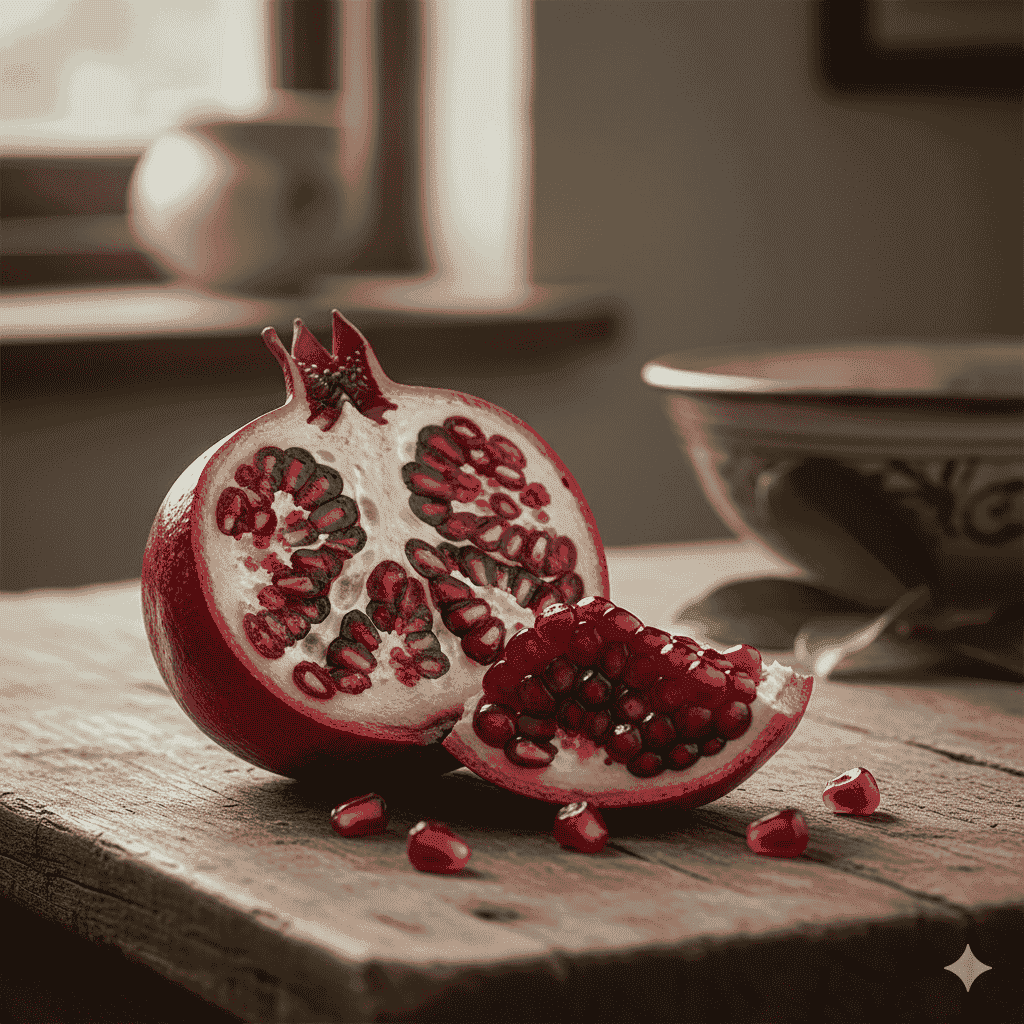
- Sprinkle the fresh seeds (arils) on top of salads, yogurt, or oatmeal.
- Drink a glass of fresh pomegranate juice that does not have any added sugar.
By adding pomegranate to your meals, you get a good source of iron. It also helps your body take in more of this important mineral from all the other food you eat.
10. Beetroot (Chukandar)
Beetroot has a bright colour and it can help you boost your iron levels. This root is good for your diet, especially if you want to get more iron.
It is good for bringing back your iron after blood loss, like what some people go through during menstruation.
Besides iron, beetroot has a lot of folate. Folate helps iron make healthy red blood cells in the body. Beetroot also has something called nitrates. These can help make your blood flow better and may help you feel more energetic and strong during the day. Do you want to know how you can eat beetroot and get these good things?
- Grate it raw. Add it to salads. It will give a crunchy and sweet touch.
- Blend it into juices or smoothies. You get a drink that is full of good things the body needs.
- Cook it to make a tasty sabzi or even a beetroot halwa. Both dishes will be a nice surprise to your taste buds.
Adding beetroot to your food is a simple way to help your blood stay healthy. It can also boost your energy and make you feel better overall. Beetroot brings color to your meals while giving your body the support it needs.
How to Increase Iron Absorption from Vegetarian Indian Meals
Eating rich foods that have iron is the first step. But the body’s ability to use that iron is just as important. Your body’s ability to absorb iron, mainly from plant-based foods, can change based on what you eat with it. The way you improve iron absorption is key if you want to stop deficiency and feel good.
Pairing your meals with foods that have vitamin c can really help your body take in more iron. The same goes for adding foods with healthy fats.
These things can make a big difference to how much iron you get. The next sections will give you practical tips on what to eat and what to avoid. This will help you get the most iron from your vegetarian Indian meals.
Vitamin C-Rich Foods That Enhance Iron Uptake
One way to help your body take in more iron is to eat iron-rich foods with things that have vitamin C. Vitamin C can help your body use iron from plants better.
The good thing is that Indian food has many rich foods that work well with vitamin C for better iron absorption.
Citrus fruits are a great choice if you want more vitamin C. A squeeze of lemon juice over your dal, sabzi, or salad can change the taste and help you feel good.
But vitamin C isn’t only in lemons or oranges. A lot of other fruits and vegetables have it, too. Think about adding these foods to your meals.
- Tomatoes can be used in curries, salads, or chutneys.
- Bell peppers are also called capsicum.
- Amla is known as Indian gooseberry.
- Guava is another option.
When you add these rich foods with vitamin C to the same meal that has lentils, spinach, or chickpeas, you can help your body’s ability to use iron get much better. This change can make a big difference in how the body takes in iron.
Foods and Habits That Inhibit Iron Absorption
Some foods help the body with iron absorption, but some foods make it harder. You should know about this so you can plan what to eat.
This is even more important if you are vegetarian. The type of iron in plants is called non-heme iron. Non-heme iron has more trouble getting into the body when you eat it with some foods. Heme iron is in animal sources and the body can take it in more easily.
The main things that lower iron in your diet are tannins and phytates. Tannins are in tea and coffee. They can make your body take in less dietary iron. It is a good idea to not drink tea or coffee with your food or right after you eat. Try to wait at least one hour instead.
Phytates are found in whole grains, nuts, and legumes. These also can stick to iron so your body takes in less of it. You can lower the amount of phytates by:
- Soaking lentils, beans, and grains before you cook them.
- Sprouting or letting these foods ferment.
Also, calcium may fight with iron when it enters the body. So, you should not eat plenty of calcium-rich foods, like milk or cheese, at the same time as you eat your main iron-rich meal. This way, you get better use out of both.
Iron Requirements and Deficiency in Indian Diets
Understanding your daily iron requirements is the first step to stop iron deficiency. These needs change with age, gender, and life stage.
Many people in India can get enough iron with a vegetarian diet if it is planned well. It is important to spot the signs of iron deficiency early, as this lets you change your diet before it harms your overall health more. The next sections will explain how much iron you need and what signs of iron deficiency you should look for.
Daily Iron Needs for Adults and Children
Your daily iron intake depends on who you are and what stage of life you are in. The amount, or mg of iron, that you need will change as you grow.
Pregnant women have to get much more iron. This helps with the development of the baby. Women who have their period need more daily iron than men.
This is to make up for the iron lost during their cycle. Kids also need a lot of iron. This is because they are growing fast.
It is important to know about your own daily iron needs so you can get the right amount of iron intake each day.
Knowing the recommended dietary allowance (RDA) for daily iron can help you plan meals. This makes sure that you and your family get enough iron.
The iron content in the foods you eat is important. But what really matters is reaching the amount you need each day. Here is a basic guide to how much daily iron you need:
| Age Group/Category | Recommended Daily Intake (mg of iron) |
| Children (4-8 years) | 10 mg |
| Children (9-13 years) | 8 mg |
| Teen Boys (14-18 years) | 11 mg |
| Teen Girls (14-18 years) | 15 mg |
| Adult Men (19-50+ years) | 8 mg |
| Adult Women (19-50 years) | 18 mg |
| Pregnant Women | 27 mg |
| Lactating Women | 9 mg |
A vegetarian diet can help you reach these goals. A mix of different foods in your meals gives you what you need to feel good and stay healthy.
Common Signs of Iron Deficiency and How Indian Foods Can Help
It’s easy to think being tired is just part of a busy life. But it can be one of the first signs of iron deficiency. If the iron in your body is low, it can’t make enough haemoglobin.
This means oxygen does not move through your body the way it should. That can cause different symptoms. Many of these may affect the way you feel or do things each day.
Some of the most common signs to look for include:
- A person may feel low energy that doesn’t go away. You may feel tired most of the time.
- Pale skin can be seen, and it is easy to notice on the inside part of the lower eyelids.
- A person could feel shortness of breath when doing regular things. You might feel your heartbeat get fast.
The good news is that the Indian foods in this article can help with iron levels. When you eat spinach, lentils, chickpeas, and beetroot, you give your body more iron in a natural way.
This helps your body make healthy red blood cells. Making more red blood cells can lift your energy, help your skin look better, and ease tiredness.
Conclusion
To sum up, adding iron-rich foods to your vegetarian diet is important for good health, especially if you follow a vegetarian diet in India. You can get iron from options like spinach, lentils, pomegranate, and jaggery.
These foods help boost your iron intake in a tasty way. Also, eating foods high in vitamin c can help with iron absorption.
Try to notice and avoid habits that make it harder for your body to take in iron. A vegetarian diet that is planned well can meet all your iron needs.
If you want to know more ways to add iron and other nutrients to your meals, get a free consultation with our nutrition experts today.
Frequently Asked Questions
Which Indian breakfast options are best for vegetarians to boost iron?
For a breakfast full of iron, you can start with amaranth (rajgira) porridge. Top it with pumpkin seeds to make it even better for your iron intake. Another good choice is poha mixed with some vegetables and a squeeze of lemon juice. A smoothie with spinach, banana, and a few dates is also a great way to boost your iron intake. All these dishes use plant sources, and they help support your overall health.
What is the difference between heme and non-heme iron and which Indian foods provide them?
Heme iron comes from animal sources and your body can take it in easily. Non-heme iron is the type of iron you get from plant foods. People who follow a vegetarian Indian diet usually get non-heme iron. Foods like lentils, spinach, and beans have this type of iron. The iron content in plant foods is helpful, but how much iron your body gets depends a lot on the other dietary iron combinations you eat with it.
Can a vegetarian Indian diet provide enough iron without supplements?
Yes, you can get enough iron from a vegetarian diet if you plan your meals well. A good way to do this is to eat a mix of plant foods such as lentils, chickpeas, and leafy greens. These foods have a lot of iron. To help your body use the iron better, add foods rich in vitamin C. This helps with iron absorption. If you use these tips, you do not need supplements. A vegetarian diet can give your body what it needs.