
Last spring my daughter went on a hunger strike against anything green, brown, or weird looking. For about six weeks she survived on plain pasta, apple slices, and Goldfish crackers.
My pediatrician wasn’t panicked, but she did say one thing that stuck with me: Worry less about vegetables right now, worry more about protein.
I bought three different kids protein pack boxes from the grocery store, two of them came back to the fridge basically untouched, and one a boring cheese and turkey roll-up tray from Costco disappeared in a day. That’s when I stopped trying to be clever about this.
If you’re here because you Googled protein pack at 9 PM while staring into an empty snack drawer, I’ve been exactly there. This is what actually worked, not a wishlist.
What Is a Protein Pack, Really
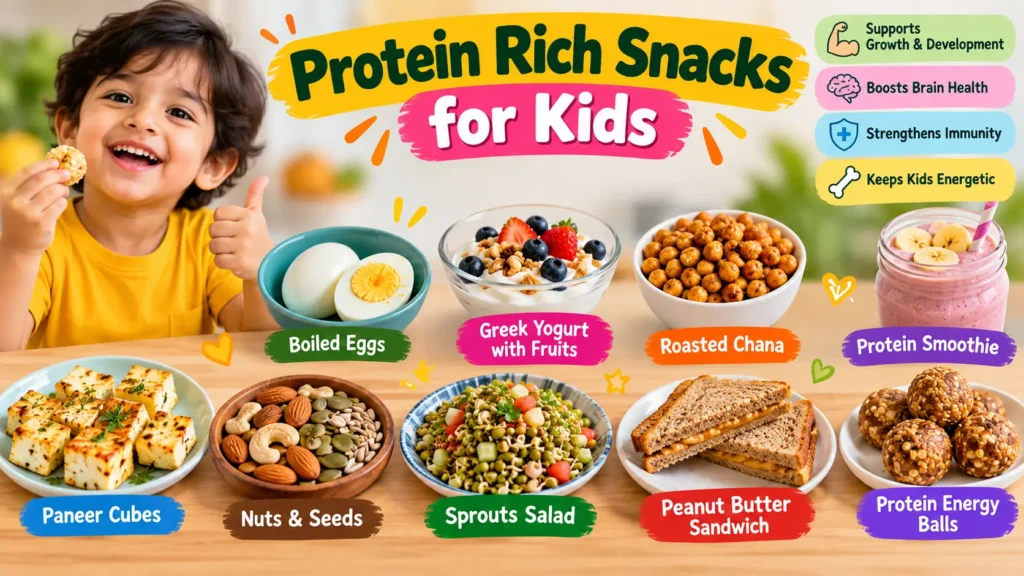
A protein pack is just a small grouping of protein foods usually somewhere between 10 and 20 grams total meant for a snack or lunchbox.
Some are pre-made trays you grab off a shelf. Others are just leftovers from dinner thrown into a container. Either way works. The label doesn’t matter, the eating does.
Kids don’t need as much protein as the marketing on these boxes implies. A 6-year-old only needs about 19 grams a day, total, according to NIH guidelines.
A 10-year-old needs around 34 grams. So one decent snack is already covering a quarter of the whole day. You’re not trying to bulk them up.
Why I Stopped Ignoring Protein at Snack Time
I’ll be honest, I used to think protein was a gym bro concern, not a kid thing. Then I started tracking, loosely, what my son ate before his 4 PM meltdowns versus his calmer afternoons.
It wasn’t scientific. But the pattern was obvious enough that even my skeptical husband noticed it.
Days he had just fruit snacks or pretzels around 3, we had a rough homework hour. Days he had a cheese stick or some turkey with his crackers, things went smoother.
I’m not saying protein fixes tantrums. Kids are kids. But steady blood sugar clearly helps more than I’d given it credit for.
One thing a dietitian friend told me that changed how I pack snacks: don’t send protein alone. A cheese stick by itself gets eaten in ten seconds and does nothing.
Pair it with a cracker or a piece of fruit and it actually holds them over.
How I Actually Build These at Home
No food scale, no Pinterest board, no Sunday meal-prep marathon. This takes maybe fifteen minutes on a Sunday night while I’m half-watching TV.
- Pick one protein. Whatever’s already in the fridge — a hard-boiled egg, string cheese, leftover chicken, a spoon of peanut butter.
- Add something with carbs. Crackers, a banana, pretzels. This is what actually makes kids reach for the container.
- Throw in one crunchy or colorful thing. Cucumber slices, grapes, whatever. Kids eat with their eyes before their mouth.
- Split it into small containers with sections. I use the cheap $8 Sistema ones from Target. If they have to dig for it, they won’t eat it.
- Put it at their eye level in the fridge, not yours. Sounds silly. Made a real difference in how often my son grabbed it himself.
Snack Combos That Survived More Than One Week
This isn’t a top 15 best list pulled from nowhere. These are the ones that got repeat requests, not the ones I gave up on after one try.
- Hard-boiled egg, a few whole grain crackers, cucumber coins my daughter calls this her picnic plate, about 7g protein
- Plain Greek yogurt with a spoon of honey and frozen blueberries mixed in (my son refuses store-bought vanilla, too sweet for him) around 10g
- String cheese, a turkey roll-up, a handful of grapes12g, this is the Costco combo that started all of this
- Peanut butter smeared thin on apple slices with 4-5 almonds on the side 8g, skip whole almonds under age 4
- Cottage cheese with pineapple chunks my kids were suspicious of this one for months, now it’s requested weekly, 11g
- Roasted chickpeas (I make a big batch and it lasts the week) with a small orange 6g
- Hummus with baby carrots and two pita triangles 5g, lowest protein on this list but great for picky dippers
- Turkey jerky sticks with cheese cubes and dried apricots 14g, good for road trips since nothing needs to stay cold long
- Frozen edamame, thawed, with rice crackers sounds odd, my nephew genuinely asks for this
- A glass of milk with dry cereal for dipping this was my own snack as a kid, still works
- Tuna salad on crackers only works if you go light on the mayo, my daughter can smell too much of it
- Sunflower seed butter on banana slices good nut-free option for school lunches
- Deviled egg halves with cherry tomatoes takes slightly more effort, save for weekends
- Beef stick, string cheese, apple slices 15g, the highest protein combo here, good before sports practice
- A smoothie with Greek yogurt, milk, and frozen mango the one I make when everything else in the fridge looks tired
What to Actually Look For on Store-Bought Packs
I’ve bought enough of these boxes to know the front label lies more often than it tells the truth. Flip it over before you decide.
Sugar. Under 8 grams of added sugar is reasonable for a snack-sized pack. Some of the kids protein trays I bought had more sugar than a cookie.
That’s not an exaggeration, I checked the label next to an actual Oreo once out of curiosity.
What the protein actually is. Real cheese and real meat beat protein isolate powder dumped into a bar. If the ingredient list reads like a chemistry set, put it back.
Sodium. Meat and cheese trays run salty. Under 300mg per serving is a fair line, though I won’t lie, I don’t check this one every single time.
Brands that have held up in our house, no sponsorship here, just what keeps getting bought again: the Costco Kirkland turkey and cheese trays, plain Chobani yogurt tubes, and a trail mix from Trader Joe’s that has more nuts than dried fruit, which matters for the sugar count.
A Rough Guide to How Much Protein Per Snack
I don’t measure this precisely and neither should you, but here’s roughly where things land by age, based on NIH numbers:
| Age Group | Daily Protein Need | Reasonable Snack Amount |
|---|---|---|
| 1–3 years | ~13g | 3–5g |
| 4–8 years | ~19g | 5–8g |
| 9–13 years | ~34g | 8–12g |
| 14–18 years | 46–52g | 10–15g |
Some days my kids eat way more than this, some days almost nothing. A dietitian once told me to think in terms of the whole week, not each individual day, and that took a lot of pressure off.
Mistakes I Made First
Buying protein bars thinking they were healthy. Half of them are candy with a protein claim on the wrapper. I learned this the hard way after checking one that had 14 grams of sugar, more than a Snickers.
Giving whole nuts too early. My youngest was 3 when I first handed her whole almonds. Never again, chopped or sliced only until they’re older.
Overcomplicating it. I tried a deviled egg and vegetable art plate phase for about two weeks. It took 25 minutes to prep. I don’t do that anymore except on weekends.
Skipping the carb. Cheese alone, my son once told me, feels boring. A cracker fixes that instantly.
Frequently Asked Question
Can toddlers have these snack packs?
Yes, but skip anything hard or whole — no whole nuts, no hard cheese chunks, no popcorn — until they’re past 4, per most pediatric guidance on choking.
Is too much protein a problem for kids?
Not usually dangerous for a healthy kid, but if protein starts crowding out fruits and vegetables entirely, that’s when I’d pump the brakes. Balance over maximizing.
What works for a genuinely picky eater?
Start with a food they already trust, just in a new shape. My daughter wouldn’t touch turkey until I served it rolled up like a mini burrito instead of flat slices. Same protein, different presentation, completely different reaction.